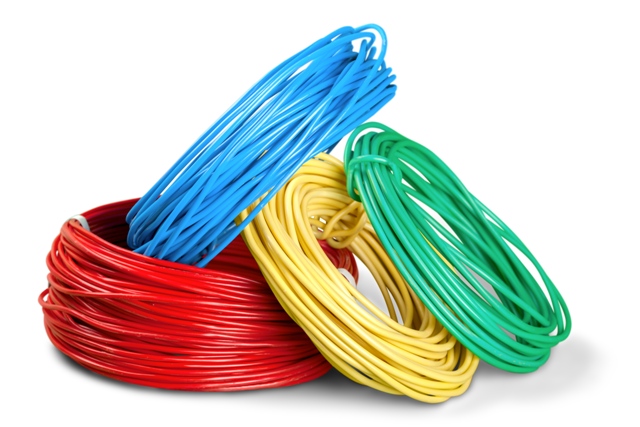
The Hidden Influence of Cables: How Connectivity Shapes Our Daily Lives
In our increasingly digital world, the influence of cables on our daily lives is often overlooked. From the moment we wake up to the sound of our alarm clocks powered by electricity to the time we unwind by streaming our favorite shows, cables are the unsung heroes that enable connectivity. Whether it's the charging cables that keep our devices alive, the network cables that support internet connectivity, or the essential wiring in our homes, these unseen resources play a crucial role in our everyday experiences. Without them, our day-to-day activities would grind to a halt, emphasizing just how vital connectivity is to our modern lifestyle.
Moreover, as technology continues to evolve, the impact of cables can be seen in the transition from traditional wired systems to advanced wireless networks. Yet, the reliance on robust cabling infrastructure remains pivotal. Cables not only deliver power and data but also influence our productivity, communication, and entertainment. A well-connected environment allows individuals and businesses to operate seamlessly, forging stronger connections and facilitating collaboration across distances. Thus, understanding the hidden yet powerful role of these cables is essential for appreciating the intricate web of connectivity that shapes our lives.
Counter-Strike is a popular tactical first-person shooter game that has captivated gamers worldwide since its release. Players engage in multiplayer matches where they can choose to play as terrorists or counter-terrorists. The game emphasizes teamwork and strategy, making it a staple in the eSports scene. For those who enjoy gaming while on the go, check out the Top 10 travel tech accessories that can enhance your gaming experience.
From Power to Data: Understanding the Essential Role of Cables in Modern Technology
In today's fast-paced technological landscape, the transition from power to data signifies a pivotal shift that underscores the essential role of cables in modern technology. Cables are not merely conduits for electricity; they are the lifelines that carry the data that powers our digital world. From high-speed internet connections to the intricate wiring that supports smart devices, the importance of cables cannot be overstated. Various types of cables, including optical fibers, coaxial cables, and twisted pairs, each play distinct roles in facilitating seamless communication and ensuring that information flows efficiently between devices.
As we embrace the Internet of Things (IoT), the demand for reliable and high-capacity cables continues to expand. With smart homes, autonomous vehicles, and industrial automation relying heavily on uninterrupted data transmission, the quality and design of cables have become critical factors in system performance. Moreover, advancements in cable technology, such as the development of shielded cables and improved insulation, have made it possible to enhance speed and reduce interference, thus optimizing the overall user experience. The role of cables in bridging the gap between power and data ensures that we stay connected in an increasingly digital age.
What Types of Cables Power Our World? A Comprehensive Guide to Connectivity
In today's hyper-connected world, various types of cables play a crucial role in providing the connectivity we often take for granted. From electrical power lines to fiber optic cables, each type of cable serves a unique purpose. For instance, coaxial cables are widely used for television signals, while twisted pair cables are essential for telecommunication networks. Understanding the different types of cables can help individuals and businesses make informed decisions when it comes to their infrastructure and connectivity needs.
One of the most important categories of power cables is the AC power cable, which is commonly used to deliver electricity from outlets to various devices. In contrast, DC power cables power devices like laptops and smartphones. Additionally, fiber optic cables are revolutionizing the way we transmit data, as they use light for faster communication. In conclusion, knowing what types of cables exist and their applications helps us appreciate the complex web of connectivity that powers our daily lives.