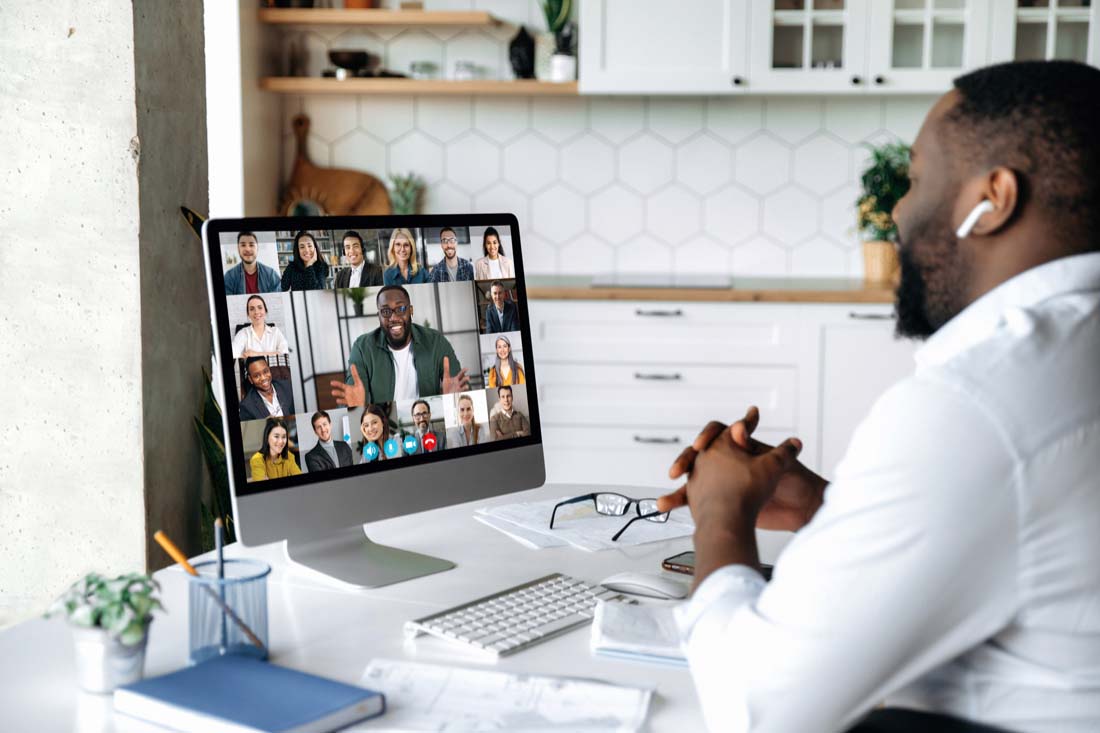
The Pros and Cons of Working in Pajamas: Is Comfort Compromising Productivity?
In recent years, working from home has become increasingly popular, leading many professionals to embrace the comfort of working in pajamas. One of the primary pros of this lifestyle is the enhanced sense of comfort that can lead to a more relaxed state, potentially fostering creativity and focus. The elimination of the need to dress formally can save time in the morning, allowing workers to start their day more efficiently. Additionally, the financial savings from not buying work attire and commuting costs can be significant, contributing to a more enjoyable work-life balance.
However, there are notable cons to consider when it comes to working in pajamas. The relaxed atmosphere may sometimes blur the lines between personal and professional life, leading to distractions that can inhibit productivity. Feeling too comfortable may reduce motivation—research suggests that specific attire can impact one’s mindset and work ethic. Therefore, it's crucial for remote workers to strike a balance between comfort and professionalism to maintain productivity while enjoying the benefits of a pajama-friendly work environment.
Counter-Strike is a highly popular first-person shooter game that pits two teams against each other: terrorists and counter-terrorists. Players choose different roles, strategize, and engage in tactical combat to complete objectives such as planting or defusing bombs. Alongside this intense gameplay, many gamers enjoy exploring various aspects of life, and for those who travel while gaming, there's a great resource available: Top 10 Travel Accessories for Digital Nomads. The blend of competitive gaming and travel creates an exciting lifestyle for many enthusiasts around the world.
How to Create Your Own Remote Work Sanctuary: Tips for Transforming Your Home Office
Creating your own remote work sanctuary begins with designing a space that inspires productivity and focus. Start by selecting a dedicated area in your home that allows for minimal distractions; this could be a spare room, a cozy nook, or even a corner of your living space. Make sure the location has good natural light, as this can significantly boost your mood and energy levels. To further enhance your workspace, consider incorporating elements like plants, artwork, or motivational quotes that resonate with you.
Next, invest in quality furniture that promotes comfort and ergonomic support. A comfortable chair and a spacious desk are essential for long hours of work. Additionally, create an organization system that suits your workflow—whether it's through cabinets, shelves, or digital tools. Lastly, personalize your home office with items that spark joy, like your favorite coffee mug or a photo of loved ones, to help maintain a positive atmosphere in your new sanctuary.
Is Remote Work Here to Stay? Exploring the Future of the Office Environment
The rise of remote work has transformed the modern workplace, prompting many to ask, Is remote work here to stay? As businesses adapt to changing dynamics, data suggests that a significant portion of the workforce prefers the flexibility that remote work offers. A recent survey indicated that over 70% of employees would choose to work remotely at least once a week if given the option. This shift not only enhances employee satisfaction but also allows companies to access a broader talent pool without geographical constraints. As organizations continue to embrace technology, the future of the office environment seems more hybrid than ever.
However, while remote work comes with various advantages, such as reduced commute times and increased flexibility, certain challenges cannot be ignored. Issues like workplace culture, collaboration, and employee engagement often require in-person interaction. Experts predict that we may see a rise in flexible office spaces designed to facilitate collaboration while still allowing for remote options. As we navigate this new landscape, it’s clear that the future of work will likely blend traditional office settings with remote working arrangements, creating an environment that adapts to the needs of both employees and employers.