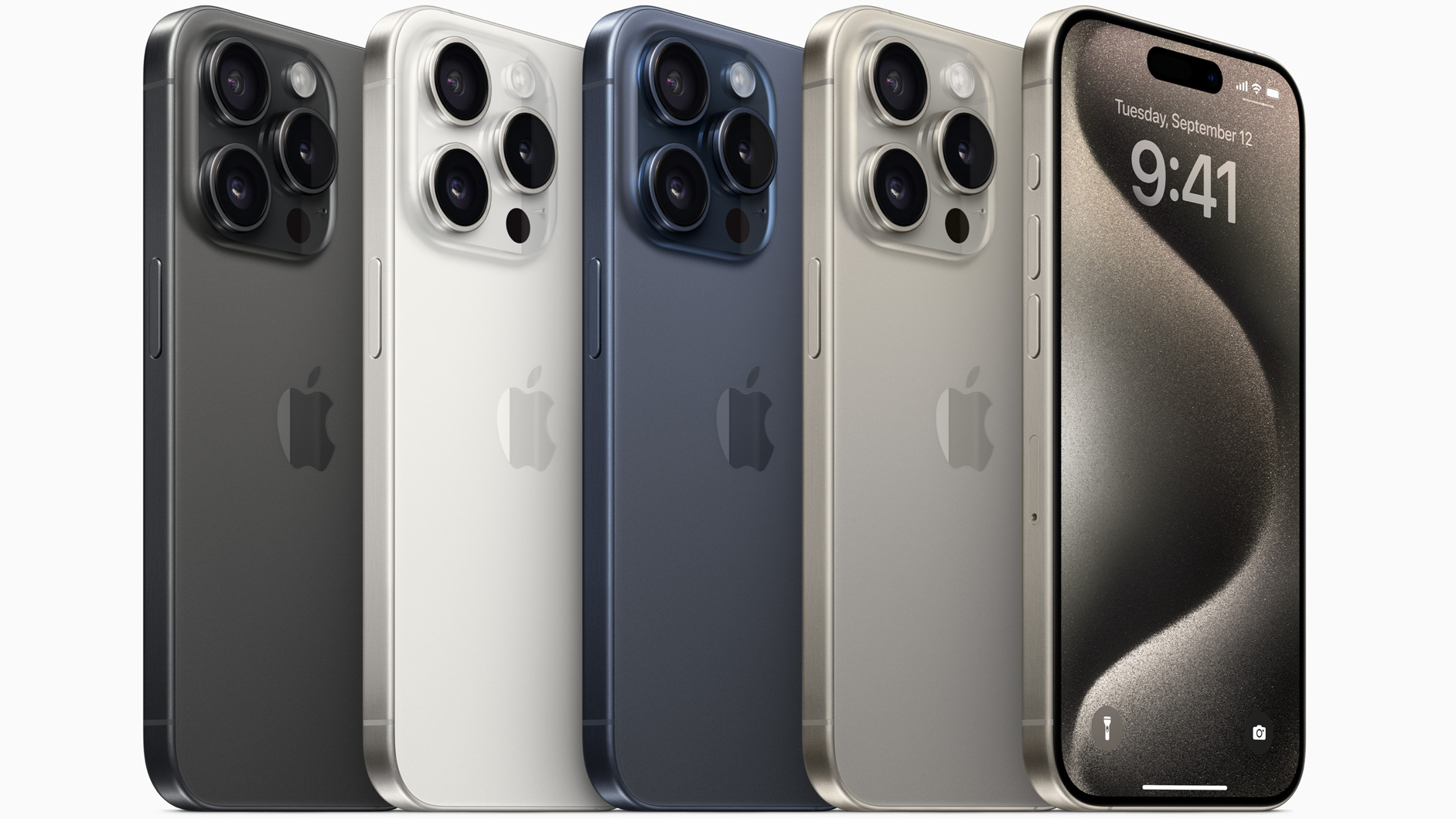
How Smartphones Transform Our Perception of Time: A Deep Dive
The advent of smartphones has significantly altered our perception of time, reshaping how we interact with moments both fleeting and enduring. In our fast-paced digital world, smartphones serve as constant reminders of time, with notifications and alerts prompting us to stay connected and engaged. This perpetual connectivity creates a sense of urgency that leads to a collective feeling of time scarcity, where every second is optimized for productivity, entertainment, or communication. As we become increasingly reliant on mobile technology, traditional markers of time—like the slow passage of the daylight hours—are overshadowed by a digital clock that never stops ticking.
Moreover, smartphones empower us with tools that enhance our time management skills, yet ironically, they also blur the boundaries between our personal and professional lives. The fusion of work and leisure through mobile applications fosters a culture of constant responsiveness, making it challenging to disconnect. For example, apps that track our productivity can create a paradox where we feel more accomplished, yet less satisfied, leading to a continual cycle of time-related stress. Acknowledging this transformation is crucial as we navigate our increasingly digital landscape, understanding that while technology can enhance our efficiency, it can also distort our relationship with time itself.
Counter-Strike, a legendary first-person shooter game, has captivated millions of players since its initial release. With its strategic gameplay and team-based mechanics, it's essential to equip yourself with the right gear. For gamers looking to enhance their mobile experience, check out the Top 10 Mobile Accessories to take your setup to the next level. The evolution of Counter-Strike continues to inspire countless tournaments and esports events worldwide.
The Evolution of Smartphone Technology: A Journey Through the Years
The evolution of smartphone technology has transformed the way we communicate, work, and live. Starting in the early 1990s with devices like the *IBM Simon*, smartphones made their debut as basic mobile phones with limited functionalities. Over the years, we witnessed significant milestones, such as the introduction of the *BlackBerry* in 1999, known for its email capabilities, and Apple's revolutionary *iPhone* in 2007, which redefined the smartphone experience by integrating a touch interface and the App Store. This rapid evolution can be categorized into several key phases:
- 1990s: Emergence of PDAs with cellular capabilities.
- 2000s: The rise of touchscreens and mobile applications.
- 2010s: Integration of advanced features like AI and high-resolution cameras.
As we entered the new decade, the smartphone technology landscape continued to evolve remarkably. Current smartphones boast powerful processors, edge-to-edge displays, and sophisticated AI-driven applications. The adoption of 5G technology has ushered in a new era of connectivity, allowing for faster internet speeds and improved streaming capabilities. Furthermore, advancements in battery technology and sustainable materials have led to a more user-friendly and eco-conscious experience. As we look ahead, the future promises even more innovations, such as foldable screens and enhanced AR capabilities, ensuring that our smartphones will continue to shape our world in unprecedented ways.
Are We Living in a Digital Time Machine? Exploring the Impact of Smartphones on Daily Life
In today's fast-paced world, smartphones have become an integral part of our lives, acting as a digital time machine that condenses vast amounts of information and experiences into our pockets. With a simple tap, we can access everything from news articles and social media updates to virtual reality experiences that transport us to different worlds. This unprecedented access to information has altered how we communicate, work, and even relax. The question arises: are we truly living in a digital age where our smartphones dictate the pace and quality of our daily life?
The impact of smartphones goes beyond mere convenience; they have transformed societal norms and behaviors. For example, the continuous engagement with mobile technology leads to changes in social interactions. People often opt for text messages or social media interactions over face-to-face conversations, creating a shift in how we form and maintain relationships. Additionally, this constant connectivity often blurs the lines between work and personal life, raising concerns about mental health and productivity. How do we navigate this complex landscape where our smartphones serve both as tools for advancement and potential sources of distraction?