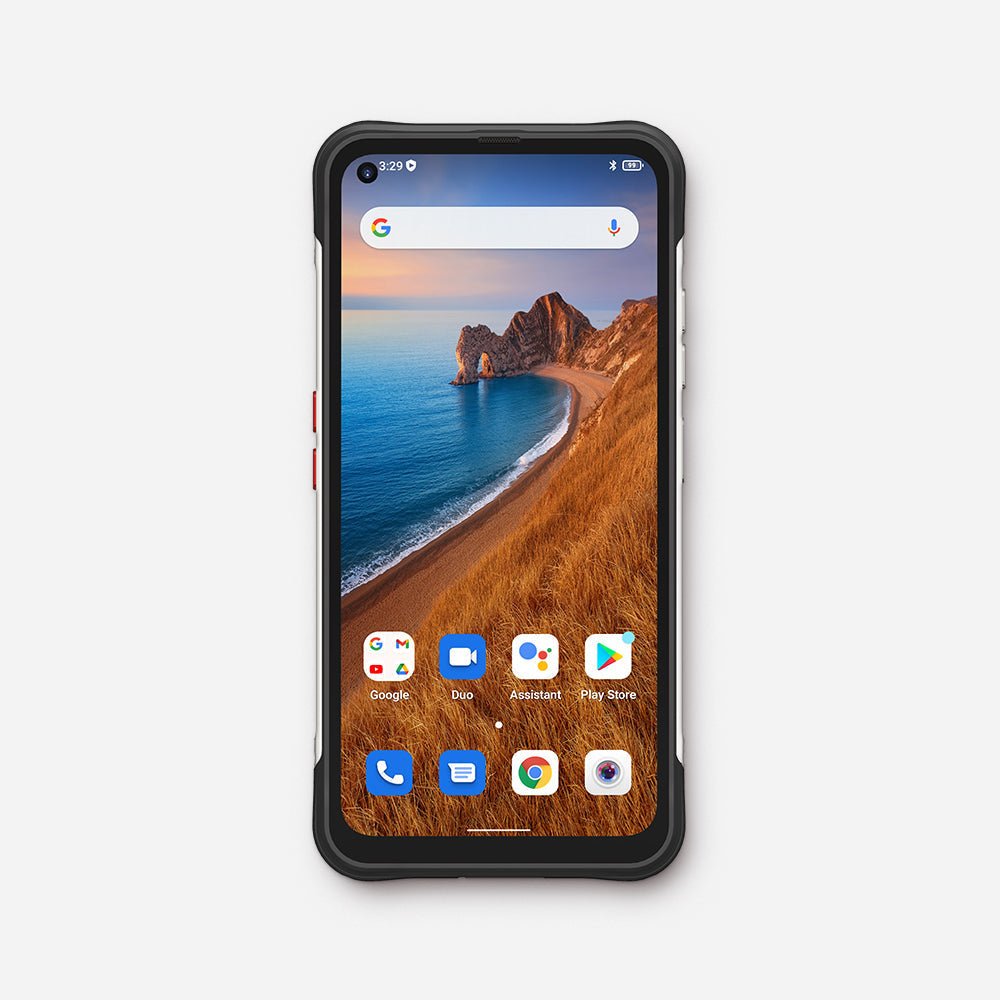
How Smartphones Revolutionized Everyday Tasks: A Comprehensive Guide
The advent of smartphones has fundamentally transformed the way we handle everyday tasks. From communication to navigation, these compact devices have integrated countless functionalities into a single gadget. This revolution has not only made our lives more convenient but has also reshaped our societal interactions. For instance, mobile banking applications have simplified financial management, allowing users to transfer funds, pay bills, and monitor their finances with just a few taps. Coupled with productivity apps, users can manage their calendars, set reminders, and collaborate with others, all from the palm of their hand.
Moreover, smartphones have enhanced our daily experiences with features that cater to our various needs. Whether it's using GPS for directions, shopping online for groceries, or engaging in social media to stay connected, the capabilities of smartphones are nearly limitless. A few key areas impacted by smartphones include:
- Communication: Instant messaging and video calls have made staying in touch more accessible than ever.
- Navigation: Real-time maps and location services help users find their way efficiently.
- Entertainment: Access to music, eBooks, and streaming services has made leisure activities more enjoyable.
Counter-Strike is a popular first-person shooter game that emphasizes tactical team play. Players can choose to be part of the terrorist or counter-terrorist team, working together to complete objectives or eliminate the opposing side. For gamers looking to enhance their mobile experience, check out the Top 10 Android Phone Accessories that can elevate gameplay on the go.
10 Surprising Features of Smartphones You Never Knew Existed
Smartphones have become an indispensable part of our daily lives, but there are many surprising features that often go unnoticed. For instance, did you know that most smartphones come equipped with a quick charging feature? This allows you to charge your device to 50% in just 30 minutes, making it perfect for those on-the-go moments. Additionally, many modern smartphones have an in-built screen recorder that enables you to capture your gameplay, tutorials, or video calls with just a few taps.
Furthermore, smartphones are increasingly becoming essential tools for health monitoring. With sensors that can track your heart rate and even detect sleep patterns, they serve as a mini health coach in your pocket. Another feature that is often overlooked is the night mode for your camera, which allows you to take stunning photos in low-light conditions. These capabilities not only enhance user experience but also highlight the versatility of smartphones beyond mere communication devices.
Are Smartphones Making Us Smarter or More Dependent?
The debate over whether smartphones are making us smarter or more dependent continues to gain traction as technology evolves. On one hand, smartphones grant us access to a wealth of information at our fingertips. With educational apps, e-books, and online courses, users can enhance their knowledge and skills like never before. Smartphones allow for instant communication and collaboration, making it easier for people to share ideas and solutions, thereby encouraging cognitive advancement.
Conversely, the pervasive use of smartphones has raised concerns about our dependence on these devices. Many individuals find themselves unable to function without their phones, leading to decreased attention spans and face-to-face social interactions. Studies indicate that this reliance may hinder critical thinking and problem-solving abilities. Ultimately, it seems that while smartphones can provide educational advantages, they also risk fostering a culture of dependency, where users may become less capable of navigating challenges without digital assistance.