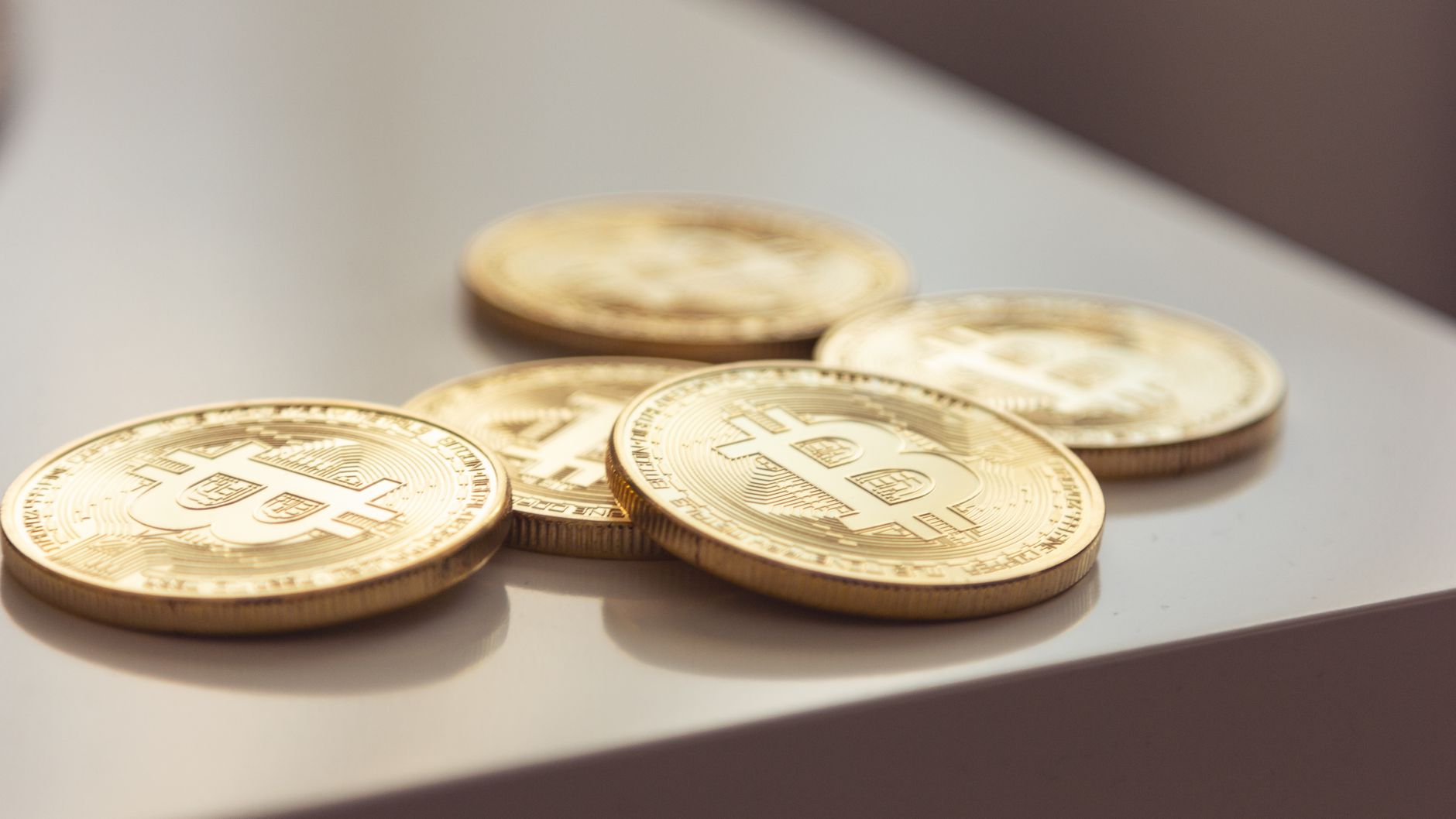
**Navigating Your Funds: A Step-by-Step Guide to Bitcoin Deposits and Withdrawals**
Understanding how to move your Bitcoin (BTC) is fundamental to participating in the cryptocurrency ecosystem. This section demystifies the process, making it accessible even for newcomers. Whether you're looking to acquire BTC or cash out your holdings, the core principles remain the same. We'll guide you through identifying your unique wallet addresses – analogous to bank account numbers – and securely initiating transactions. Remember, accuracy is paramount when dealing with crypto; a single incorrect character in an address can lead to irreversible loss of funds. We'll also touch upon the varying transaction fees and confirmation times, which are influenced by network congestion and the fee you opt to pay. Mastering these steps ensures you can confidently navigate the world of Bitcoin, putting you in full control of your digital assets.
When it comes to depositing Bitcoin into an exchange or withdrawing it to a personal wallet, a few critical steps ensure a smooth and secure experience. For deposits, you'll typically generate a unique BTC address within the receiving platform. You then copy this address and paste it into the 'send' field of your sending wallet. Always double-check the address before confirming the transaction. Withdrawals follow a similar pattern, but in reverse: you'll provide the receiving address (e.g., from your hardware wallet) to the exchange, which then sends the BTC. Many platforms also implement security measures like 2-Factor Authentication (2FA) for withdrawals, adding an extra layer of protection against unauthorized access.
- Identify your wallet address: This is your unique identifier for receiving funds.
- Verify the network: Ensure you're sending BTC on the Bitcoin network.
- Confirm transaction details: Always double-check the amount and recipient address.
Bitcoin casinos offer a new way to gamble online, combining the excitement of traditional casinos with the benefits of cryptocurrency. Many players are drawn to the anonymity and faster transactions that come with a bitcoin casino, creating a unique and modern gaming experience. These platforms often feature a wide array of games, from slots to live dealer tables, all playable with Bitcoin.
**Beyond the Basics: Understanding Fees, Speed, and Security in Crypto Gaming Transactions**
When delving into crypto gaming, a crucial aspect often overlooked by newcomers is the intricate relationship between transaction fees, speed, and security. Unlike traditional fiat transactions, which are often free or have fixed rates, crypto transactions can fluctuate dramatically based on network congestion, the specific blockchain used, and even the time of day. For instance, a popular game running on the Ethereum mainnet might incur significant gas fees during peak hours, potentially negating small in-game earnings. Conversely, games built on Layer 2 solutions or alternative blockchains like Polygon or Solana often boast much lower fees and faster confirmation times. Understanding these dynamics is paramount for maximizing your gaming experience and ensuring your in-game assets are transferred efficiently and cost-effectively.
The interplay of these factors extends beyond mere financial cost, directly impacting the user experience and the overall integrity of your digital assets. Security, in particular, is non-negotiable. While the underlying blockchain technology is inherently secure, vulnerabilities can arise from smart contract exploits, phishing scams targeting user wallets, or poorly secured gaming platforms themselves.
Here's what to consider:
- Audit Reports: Always check if a game's smart contracts have been audited by reputable firms.
- Wallet Security: Use strong, unique passwords and enable two-factor authentication (2FA) wherever possible.
- Platform Reputation: Stick to well-established and trusted gaming platforms and marketplaces.
Slow transaction speeds can also indirectly affect security, as prolonged pending states can increase the window of opportunity for certain types of attacks or simply lead to frustrating delays that might tempt users to take risky shortcuts. Therefore, a holistic understanding of fees, speed, and security is essential for any serious crypto gamer.