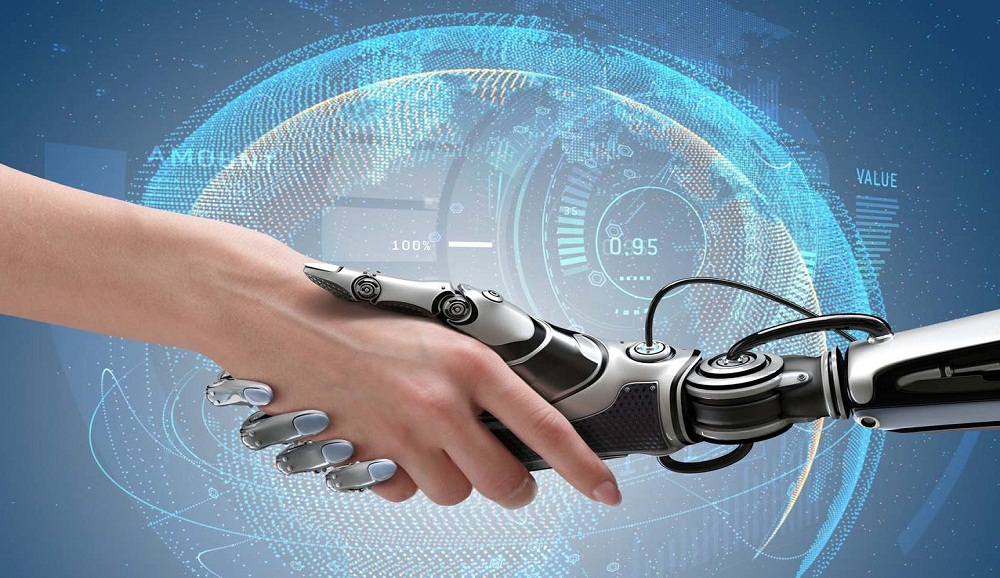
The Rise of AI: How Machine Learning is Shaping Our Future
The advent of AI technologies has sparked a transformative wave across industries, with machine learning at the forefront. This subset of artificial intelligence enables systems to learn from data and improve over time without explicit programming. From healthcare to finance, businesses are leveraging machine learning algorithms to enhance decision-making processes, streamline operations, and deliver personalized experiences. According to a recent report, the global machine learning market is projected to reach $117 billion by 2027, highlighting the increasing importance of this technology in shaping our future.
The impact of machine learning extends beyond its practical applications; it also raises essential discussions about ethics, privacy, and employment. As automated systems take on more tasks, the nature of work will inevitably change, requiring a workforce that is adept in AI technologies. To navigate this evolving landscape, society must focus on education and reskilling, ensuring that individuals are prepared for emerging roles that demand an understanding of advanced algorithms. While challenges lie ahead, embracing the rise of AI could lead to remarkable innovations and efficiencies that will define our future.
Counter-Strike is a popular multiplayer first-person shooter game where teams of terrorists and counter-terrorists face off in various objective-based scenarios. Players select from a range of weapons and strategies to complete missions and eliminate the opposing team. The game not only emphasizes teamwork and communication but has also spawned a vast community of competitive players and tournaments. If you're interested in enhancing your gaming setup, check out these Top 10 magsafe accessories that can elevate your gaming experience.
Exploring Quantum Computing: The Next Big Leap in Technology
Quantum computing represents a paradigm shift in technology, pushing beyond the limits of classical computing. By harnessing the principles of quantum mechanics, quantum computers utilize quantum bits (qubits), which can exist in multiple states simultaneously. This ability allows them to process vast amounts of data much more efficiently than traditional computers. As research progresses, industries from pharmaceuticals to finance are beginning to explore how quantum computing can solve complex problems that were previously deemed unsolvable.
The potential applications of quantum computing are astounding. For instance, quantum algorithms could revolutionize cryptography, enhancing security protocols and protecting sensitive information. Similarly, machine learning algorithms can be expedited through quantum parallelism, enabling faster and more accurate predictions. As we stand on the brink of this technological breakthrough, it is clear that quantum computing is not just a fleeting trend but rather a significant leap forward that promises to reshape our digital landscape.
5 Emerging Tech Trends That Will Transform Our Daily Lives
As we move into a new era dominated by technology, several emerging tech trends are poised to significantly transform our daily lives. One of the most exciting trends is the rise of artificial intelligence (AI) in everyday applications. From virtual personal assistants that help us manage our schedules to AI-driven apps that enhance our shopping experiences, this technology is becoming increasingly integrated into our routines. According to industry experts, by 2025, AI could save the average person approximately $2,000 per year by optimizing tasks and providing personalized recommendations.
Alongside AI, the expansion of 5G technology is set to revolutionize how we connect and communicate. With considerably faster internet speeds, 5G enables seamless streaming, improved remote work capabilities, and even enhances the functionality of smart home devices. As this technology becomes more widespread, the possibilities for real-time collaboration and instant access to information will redefine our concept of connectivity. Here are five ways in which 5G will impact our daily lives:
- Enhanced telecommuting experiences
- Improved smart home integrations
- Faster access to entertainment
- Increased efficiency in healthcare
- More robust virtual and augmented reality applications