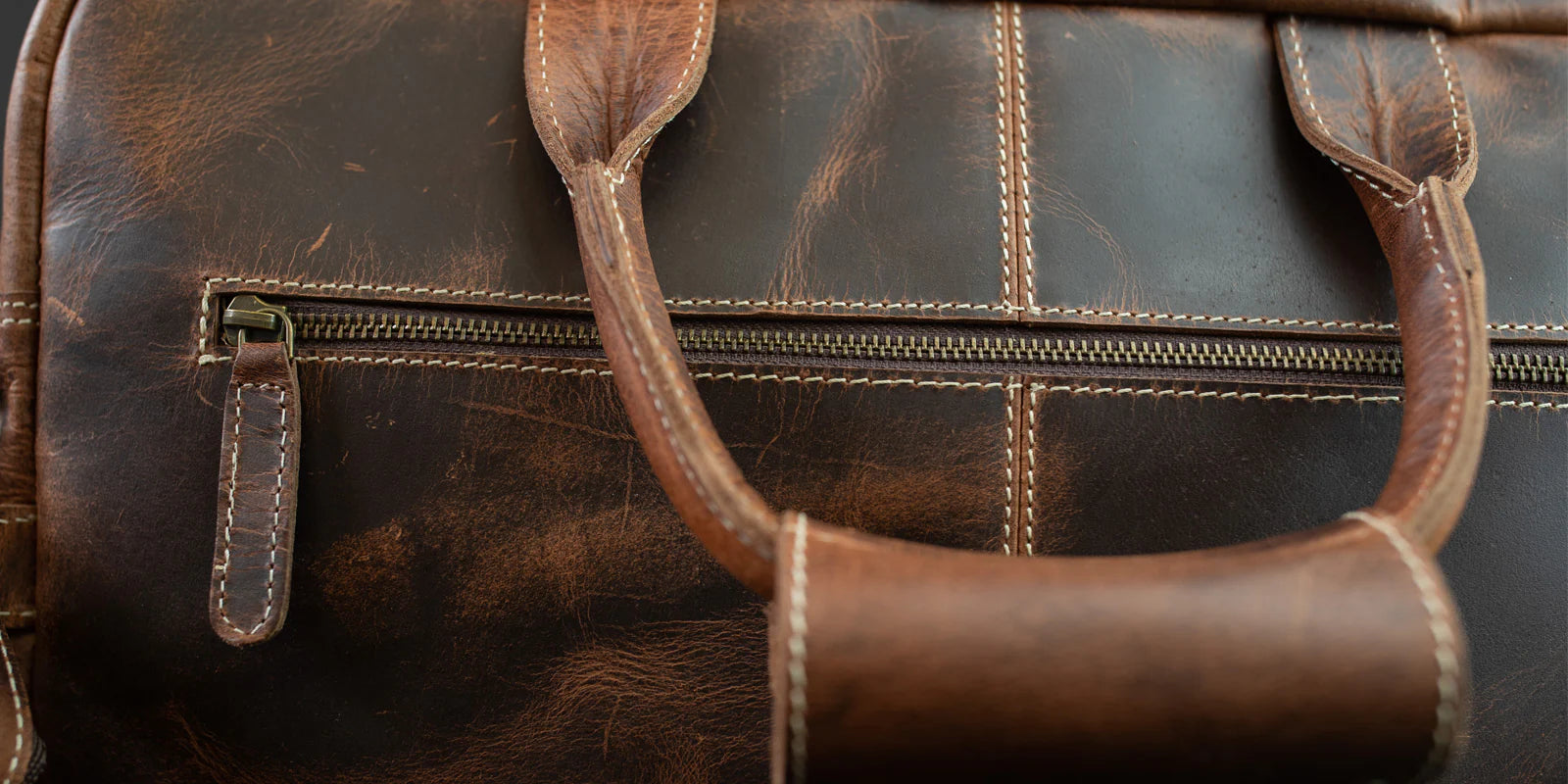
The Ethics of Leather: Fashion Statement or Environmental Hazard?
The leather industry has long been a symbol of luxury and style, often associated with high fashion and durability. However, the ethics of leather production raise significant concerns regarding its impact on the environment. According to studies, the process of tanning leather involves harmful chemicals such as chromium, which can pollute waterways and pose health risks to workers. Furthermore, raising livestock for leather contributes to deforestation, greenhouse gas emissions, and resource depletion. As consumers become more aware of these issues, the question arises: is leather truly a fashion statement, or is it an environmental hazard?
In response to these ethical dilemmas, many brands are exploring sustainable alternatives to traditional leather. Materials such as pineapple leather (Pinatex), mushroom leather, and recycled synthetics offer more eco-friendly options while still delivering on style and durability. Shifting consumer demand towards these alternatives not only promotes ethical fashion but also encourages the industry to reconsider its practices. Ultimately, embracing these sustainable innovations could help minimize the environmental impacts associated with leather production while allowing fashion enthusiasts to express their individuality responsibly.
Counter-Strike is a highly popular multiplayer first-person shooter game that has captivated gamers around the world since its release. Players often engage in intense team-based matches, where they must strategically work together to complete objectives or eliminate the opposing team. If you're looking for style and comfort while gaming, check out the Top 10 Lightweight Apple Watch Bands to enhance your gaming experience on the go.
Is Vegan Leather a Sustainable Alternative to Traditional Leather?
As the demand for ethical fashion grows, many consumers are turning to vegan leather as a sustainable alternative to traditional leather. Vegan leather, often made from materials such as polyurethane (PU) or recycled plastics, aims to reduce the environmental impact associated with animal agriculture and tanning processes. While some argue that synthetic leathers may generate microplastics and are not biodegradable, innovations in materials have led to the development of more sustainable options, such as lab-grown or plant-based leathers, which help to mitigate these issues.
However, the sustainability of vegan leather can vary significantly based on its production methods and raw materials. For instance, brands that utilize environmentally-friendly practices and renewable resources, such as cork or apple peels, present a more sustainable choice compared to those relying on conventional plastic methods. Ultimately, consumers must assess not only the materials used but also the overall lifecycle of the product, including its durability and end-of-life disposal options, to determine if vegan leather truly outshines traditional leather in terms of sustainability.
The Lifecycle of Leather: From Animal to Fashion Statement
The lifecycle of leather begins with the sourcing of raw materials from animal hides, primarily from livestock such as cows, sheep, and goats. This process demands strict adherence to ethical and sustainable practices, ensuring that every hide is a byproduct of the meat industry. Once the hides are collected, they undergo a rigorous cleaning and preservation process called tanning, where they are treated with various chemicals to prevent decay and enhance durability. This transformation not only enhances the aesthetic appeal of the leather but also prepares it for further processing into high-quality products, ranging from accessories to apparel.
After tanning, leather enters the design phase, where artisans and designers utilize their creative skills to craft fashionable items that appeal to consumers. The versatility of leather allows it to be fashioned into a wide array of products, including jackets, shoes, and bags, making it a coveted material in the fashion industry. As trends evolve, the lifecycle of leather continues, emphasizing its enduring nature as a fashion statement. Ultimately, this journey from animal to fashion not only reflects the marriage of functionality and style but also sparks a conversation about sustainability and the ethical implications of leather use in contemporary consumer culture.