Is Your Office Chair Hurting Your Back? Understanding Ergonomic Risks
In today's fast-paced work environment, many employees spend long hours seated at their desks, often neglecting the consequences of an improper office chair on their health. Is your office chair hurting your back? If you find yourself experiencing discomfort or pain after a long day at the office, it may be time to evaluate your seating situation. Ergonomic risks associated with poorly designed chairs can lead to a range of issues, from chronic back pain to reduced productivity. By understanding the potential hazards, you can take proactive steps to create a more comfortable and supportive workspace.
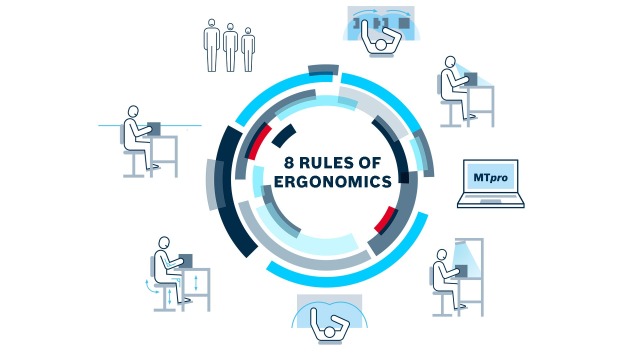
When assessing your office chair, consider the following ergonomic features that can improve your posture and minimize strain on your back:
- Adjustable height: Ensure your chair can be adjusted to allow your feet to rest flat on the floor.
- Lumbar support: A chair with built-in lumbar support can help maintain the natural curve of your spine.
- Seat depth: The seat should be deep enough to support your hips while allowing you to sit back against the backrest.
- Armrests: Adjustable armrests can relieve pressure on your shoulders and neck.
Counter-Strike is a popular tactical first-person shooter game series that pits two teams against each other: the Terrorists and the Counter-Terrorists. Players engage in team-based missions, such as bomb defusal or hostage rescue, relying on strategy and teamwork to succeed. For those looking to enhance their remote work experience while enjoying games like Counter-Strike, check out these Top 10 iPad Accessories for Remote Work that can help streamline your setup and boost productivity.
The Hidden Dangers of Poor Chair Design: Symptoms and Solutions
The hidden dangers of poor chair design can manifest in various ways, significantly impacting our health and productivity. Prolonged usage of poorly designed chairs often leads to musculoskeletal issues, including back pain and neck strain. Additionally, poor posture due to inadequate lumbar support can cause long-term damage. Symptoms may include discomfort or pain in the lower back, fatigue during long sitting sessions, and even headaches. These issues not only affect one’s physical well-being but can also lead to reduced productivity and focus at work.
To combat these symptoms and improve overall comfort, investing in a well-designed chair is essential. Look for chairs that promote ergonomic support, adjustable features, and proper cushioning. Incorporating regular breaks, standing desks, and stretching can also alleviate discomfort from prolonged sitting. Additionally, being mindful of posture and utilizing accessories like lumbar rolls can enhance your sitting experience. By addressing the dangers of poor chair design, you can improve your overall health and productivity significantly.
How to Choose the Right Ergonomic Chair for Maximum Comfort
Choosing the right ergonomic chair is essential for ensuring maximum comfort during long hours of sitting. Start by considering the chair’s adjustability, as this feature allows you to customize the height, backrest, and armrests to fit your body proportions. Look for chairs with a lumbar support system that promotes good posture, as proper alignment can significantly reduce strain on your back. Additionally, pay attention to the materials used in the chair; breathable fabrics and adequate cushioning contribute to a more comfortable experience.
Next, assess the wheelbase and mobility of the chair. An ergonomic chair should easily move across your workspace, allowing you to reach your desk and other areas without strain. You may also want to consider the weight capacity of the chair to ensure it adequately supports your needs. Lastly, read user reviews and seek recommendations to find a chair that not only meets your requirements but also has a track record of durability and comfort. By carefully evaluating these factors, you can confidently select an ergonomic chair that enhances your work experience and promotes maximum comfort.