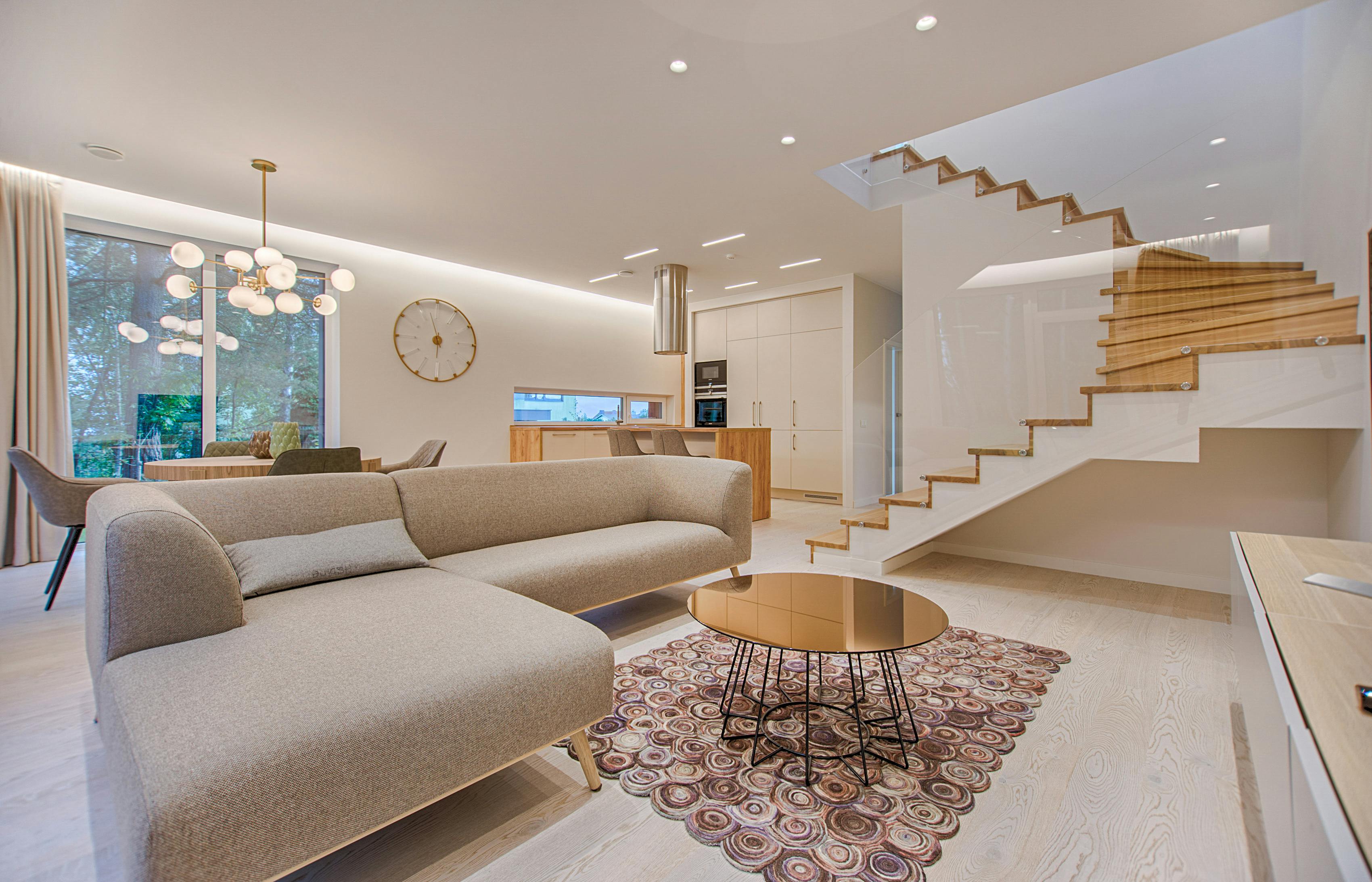
10 Sustainable Materials to Transform Your Home Décor
In an age where sustainability is more crucial than ever, transforming your home décor using eco-friendly materials can be both rewarding and stylish. Here are 10 sustainable materials you can incorporate into your home:
- Bamboo: Known for its rapid growth and renewability, bamboo is an excellent choice for furniture, flooring, and decorative elements.
- Cork: Harvested from the bark of cork trees, this material is not only sustainable but also adds warmth and texture to your interiors.
- Reclaimed Wood: Using salvaged wood reduces waste and adds character, perfect for everything from furniture to accent walls.
- Organic Cotton: Choose organic cotton for upholstery and textiles to avoid harmful chemicals and support sustainable farming practices.
- Hemp: This versatile plant can be used to create fabrics, rugs, and even biodegradable home goods.
In addition to the materials mentioned above, consider including:
- Glass: Recycled glass can be transformed into stunning decor items, from vases to lighting fixtures.
- Natural Stone: Durable and timeless, natural stone like granite or slate can enhance surfaces in various areas of your home.
- Linoleum: Made from natural materials, linoleum flooring is eco-friendly and comes in a variety of colors and designs.
- Wool: Opt for sustainably sourced wool for cozy blankets and rugs, adding warmth while ensuring ethical production.
- Paper Products: Look for home décor made from recycled paper; it's both unique and environmentally friendly.
By integrating these sustainable materials into your home, you not only create a beautiful environment but also contribute to a healthier planet.
Counter-Strike is a highly popular tactical first-person shooter game that has captivated players around the globe since its initial release. The game's unique blend of teamwork, strategy, and skill has made it a staple in the competitive gaming scene. Players can engage in various game modes, including bomb defusal and hostage rescue, which require coordinated efforts to achieve victory. If you're looking to enhance your gaming experience at home, check out the Top 10 homepod stands for immersive sound and convenience.
How to Create a Cozy, Eco-Friendly Living Space on a Budget
Transforming your living space into a cozy, eco-friendly haven doesn’t have to break the bank. Start by repurposing items you already own; furniture pieces like old wooden crates can be easily converted into stylish shelves or side tables. Consider incorporating plants into your decor. Not only do they enhance the aesthetic of your space, but they also improve air quality. If you're on a tight budget, visit local thrift stores or online marketplaces for second-hand furniture and decor that align with your eco-friendly ethos. You’d be surprised at the treasures you can find!
Additionally, focus on small changes that can create a big impact. Invest in energy-efficient lighting, such as LED bulbs, which can save you money on electricity bills and reduce your carbon footprint. Utilize soft, natural fabrics for your throw pillows or blankets—think organic cotton or recycled materials. A few well-placed cushions can instantly make your space feel warmer and more inviting. Remember, a cozy, eco-friendly living space is all about being mindful of your resources while creating an environment that reflects your personal style.
Are Eco-Friendly Interiors Really Healthier? Exploring the Benefits
In recent years, the push for eco-friendly interiors has gained significant traction, leading many to question: are these spaces truly healthier for occupants? The answer lies in the materials and practices used in eco-friendly design. By utilizing sustainable materials such as bamboo, recycled metals, and non-toxic paints, eco-friendly interiors minimize exposure to harmful chemicals often found in conventional home furnishings. Moreover, the incorporation of natural elements, like plants and natural light, can enhance air quality and overall well-being. Research shows that homes designed with these principles not only contribute to environmental sustainability but also foster a healthier living environment by reducing indoor air pollutants.
Another essential aspect of eco-friendly interiors is their ability to enhance mental well-being. Spaces that prioritize sustainability often focus on creating soothing, minimalistic designs that reduce stress and promote relaxation. Features such as large windows that let in natural light and the use of calming colors can improve mood and productivity. Additionally, the promotion of biophilic design—incorporating elements of nature into the built environment—can lead to a greater sense of connection with the outdoors. Overall, transitioning to an eco-friendly interior not only supports environmental health but also significantly benefits the physical and mental health of its inhabitants.