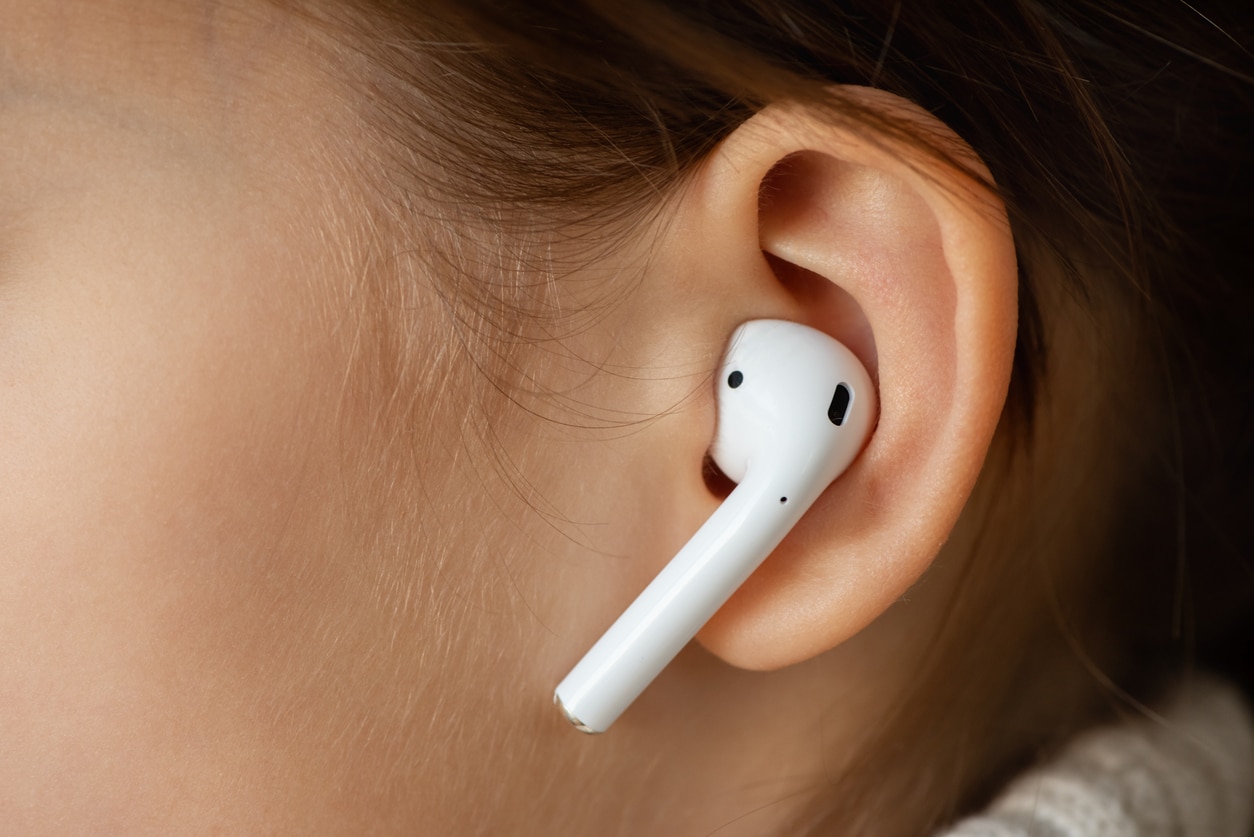
The Evolution of Earbuds: How Tiny Titans Are Shaping Our Listening Habits
The evolution of earbuds has significantly transformed our listening habits over the past few decades. What began as simple wired devices has now morphed into sophisticated wireless technologies, allowing users to engage with music, podcasts, and audiobooks like never before. The introduction of Bluetooth connectivity and advancements in sound quality have led to tiny yet powerful earbuds that fit comfortably in our ears. Moreover, with features like noise cancellation, touch controls, and integration with voice assistants, these compact devices have become indispensable tools for modern life.
As earbuds continue to evolve, so too do our listening behaviors. Many users now prefer the convenience of carrying around these lightweight devices instead of traditional headphones. According to recent studies, approximately 70% of people aged 18-34 reported using earbuds daily, emphasizing their significance in our daily routines. In addition, the rise of on-the-go content consumption has resulted in a cultural shift; more individuals are engaging with audio content during commutes, workouts, and even while working. This shift highlights how tiny titans such as earbuds are shaping the way we experience sound and engage with media.
Counter-Strike is a highly popular first-person shooter game that pits two teams against each other: the terrorists and the counter-terrorists. Players can choose different weapons and strategies to complete objectives, such as planting or defusing bombs. For those looking to enhance their gaming experience, consider checking out the Top 10 Earbuds for Zoom Calls, as clear communication can be crucial in this fast-paced environment.
5 Reasons Why Earbuds Are Essential for Your Daily Routine
In today's fast-paced world, earbuds have become an essential accessory, seamlessly integrating into our daily routines. Here are five compelling reasons why you should consider making them a part of your everyday life. Firstly, they offer unparalleled convenience; their compact and lightweight design allows you to easily carry them wherever you go. Whether you're commuting to work, exercising at the gym, or simply relaxing at home, earbuds provide a distraction-free audio experience without the hassle of tangled wires.
Secondly, using earbuds enhances productivity by allowing you to listen to music or podcasts while you work. Studies show that background music can improve focus and creativity, making it easier to tackle tasks efficiently. Furthermore, they often come equipped with noise-cancellation features, helping you to block out distractions and immerse yourself in your work or favorite tunes. In summary, investing in a good pair of earbuds is not just a luxury; it's a practical decision that can enrich your daily life.
Are Wireless Earbuds Worth the Hype? A Comprehensive Review
In today's fast-paced world, wireless earbuds have emerged as a popular choice for music lovers and podcast enthusiasts alike. Their sleek design and compact size make them incredibly convenient for on-the-go listening. But are they really worth the hype? One of the primary advantages of wireless earbuds is their ability to provide unparalleled freedom of movement. With no cords to tangle, users can enjoy their favorite audio while exercising, commuting, or completing household chores without any interruptions. Technologies like Bluetooth have made it easier than ever to connect these devices to various platforms, allowing for seamless audio playback.
However, potential buyers should also consider some drawbacks. The battery life of wireless earbuds can vary significantly between models, with some lasting only a few hours before needing a recharge. Additionally, while many brands offer impressive sound quality, this can be subjective and may not live up to the expectations of audiophiles. It’s crucial to read reviews and compare features such as noise cancellation and water resistance before making a final decision. Ultimately, whether wireless earbuds are worth the hype often comes down to individual preferences and usage scenarios.