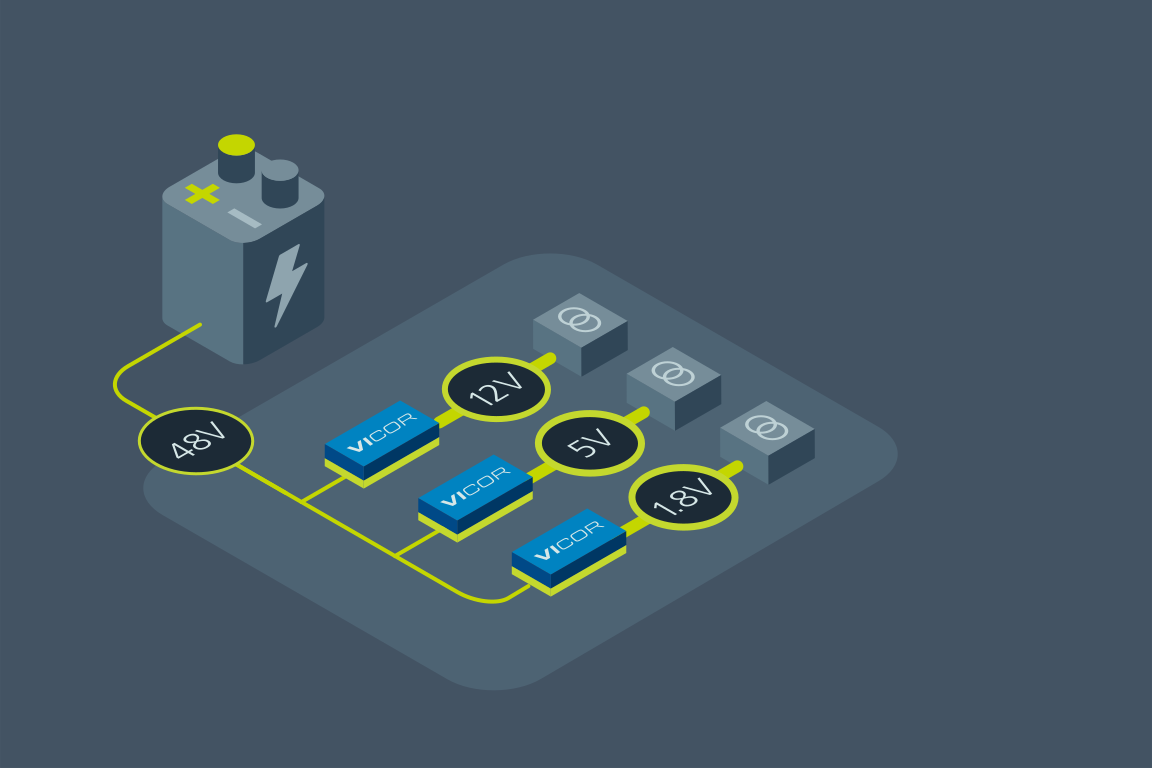
The Evolution of Power Delivery: Key Innovations Shaping the Future
The evolution of power delivery has been marked by significant innovations that have transformed how energy is generated, stored, and consumed. Over the past few decades, advancements in renewable energy technologies, such as solar and wind power, have significantly reduced dependence on fossil fuels. Additionally, the integration of smart grids, which utilize IoT (Internet of Things) technology, has optimized the distribution of electricity by enabling real-time monitoring and management. These innovations not only enhance efficiency but also promote sustainability, allowing for a more resilient energy future.
Another critical element in the power delivery landscape is the development of energy storage systems, particularly lithium-ion batteries, which have revolutionized the way we harness intermittent renewable sources. These batteries facilitate the storage of excess energy produced during peak production times and release it during high demand periods, smoothing out fluctuations in energy supply. Looking ahead, innovations in next-generation batteries, such as solid-state and flow batteries, are expected to further enhance energy storage capabilities, enabling more significant reliance on renewables and paving the way for a more sustainable and efficient energy ecosystem.
Counter-Strike is a highly popular first-person shooter game that emphasizes teamwork and strategy. Players can engage in thrilling multiplayer matches where they can choose to be either terrorists or counter-terrorists. For those looking to enhance their gaming setup, check out the Top 10 usb c hubs for macbook to ensure you have the best equipment for your gaming experience.
Understanding Smart Grids: How They Change the Way We Use Energy
Smart grids represent a revolutionary shift in how we manage and consume energy. By integrating advanced digital technology with traditional power systems, these grids provide a two-way communication between utility providers and consumers. This transformation not only enhances the efficiency and reliability of electricity supply but also empowers users to take control of their energy usage. With features such as real-time monitoring and automated demand responses, users can adjust their consumption patterns, leading to significant cost savings and reduced environmental impact.
One of the most remarkable benefits of a smart grid is its ability to facilitate the integration of renewable energy sources into the existing infrastructure. By enabling decentralized energy production from sources like solar panels and wind turbines, smart grids pave the way for a more sustainable energy future. Furthermore, they can dynamically manage energy loads, ensuring that energy supply matches demand effectively. As a result, consumers not only contribute to a greener planet but also benefit from increased energy security and price stability.
Are Renewable Energy Sources the Future of Power Delivery?
The growing demand for sustainable energy has sparked widespread debate on whether renewable energy sources will shape the future of power delivery. As fossil fuels become increasingly scarce and environmentally damaging, alternatives such as solar, wind, and hydropower are gaining traction. According to recent studies, these renewable energy sources are not only sustainable but also economically viable, with costs continuing to decline. In fact, the International Energy Agency (IEA) predicts that renewable energy will constitute a significant portion of global electricity generation by 2040.
Embracing renewable energy sources brings a myriad of benefits beyond just environmental sustainability. For instance, these energy alternatives contribute to energy independence, reducing reliance on imported fuels. Additionally, the transition towards renewables presents opportunities for job creation in manufacturing and installation sectors. As governments and organizations prioritize sustainable practices, we may witness a pivotal shift towards a cleaner, more efficient energy landscape. Ultimately, the question remains: are we prepared to embrace renewable energy sources as the future of power delivery?